Applying for a green card involves several important steps, and one of the most critical is the immigration medical exam, also known as Form I-693. This exam is required by the U.S. Citizenship and Immigration Services (USCIS) to ensure applicants meet health-related eligibility criteria.
According to the official USCIS Form I-693 guidelines, applicants must submit a properly completed and signed medical form along with their application, or it may be rejected.
While the process may seem straightforward, many applicants make avoidable mistakes that can delay their application, increase costs, or even require repeating the exam. Understanding these common errors can help you prepare effectively and ensure a smoother immigration process.
An immigration medical exam is a mandatory health evaluation conducted by a USCIS-approved civil surgeon. The purpose is to identify any health-related conditions that could affect admissibility into the United States.
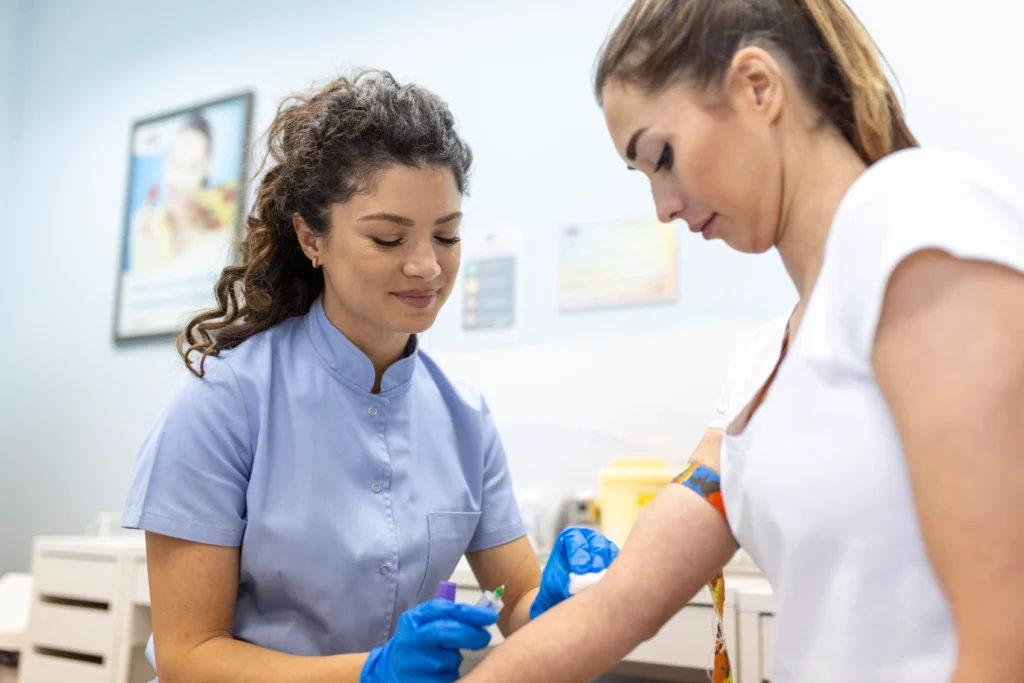
The exam typically includes:
The results are recorded in Form I-693, which must be submitted in a sealed envelope to USCIS.
Mistakes during your immigration physical can lead to serious consequences, including:
USCIS clearly states that incomplete forms, missing pages, or unsigned documents may result in rejection.
That’s why careful preparation is essential.
One of the most common mistakes is arriving at your appointment without the necessary documents.
You should always bring:
Missing documents can delay your exam or require rescheduling.
Only USCIS-designated civil surgeons are authorized to perform immigration medical exams. Visiting a non-certified provider will result in an invalid exam, and you will need to repeat the entire process.
Always confirm your provider’s certification before scheduling your appointment.
Vaccination requirements are a key part of the immigration medical exam. The USCIS vaccination guidelines outline required immunizations such as measles, mumps, rubella, hepatitis B, and more.
If your records are incomplete, you may need additional vaccinations before your form can be finalized, which can delay your application.
Errors on Form I-693 are one of the most common reasons for delays.
Typical mistakes include:
Even small errors can result in rejection or requests for correction.
USCIS frequently updates Form I-693. Submitting an outdated version may lead to automatic rejection.
Always ensure that the form being used is the most recent version available.
The immigration medical exam includes mandatory screenings such as TB testing and blood work. These tests must be completed according to CDC guidelines.
The Centers for Disease Control and Prevention (CDC) provides technical instructions that civil surgeons must follow during the exam process.
Incomplete testing means your form cannot be finalized.
Some applicants assume they can bring results from external labs. However, tests must typically be performed or verified by the civil surgeon conducting your exam.
Relying on outside reports may not be accepted and could result in delays.
After completing your exam, you will receive Form I-693 in a sealed envelope. USCIS requires that this envelope remain sealed.
If the envelope is opened or altered, the form may be rejected.
This is a common but critical mistake that can force you to repeat the entire exam.
Inconsistent information across your documents can raise concerns during the review process.
Examples include:
Always double-check your information for accuracy.
Delaying your immigration physical can lead to scheduling challenges and rushed submissions.
Since the process may involve multiple steps—appointments, tests, and documentation—it’s important to plan ahead and avoid last-minute stress.
Making errors during your immigration medical exam can lead to several complications:
Avoiding these issues starts with proper preparation and attention to detail.
To ensure a smooth experience, follow these steps:
Proper preparation can help you avoid delays and complete your exam successfully.
After completing your immigration medical exam:
Processing times may vary depending on test results and documentation.
Timing your immigration medical exam correctly is important. You should:
Planning ahead ensures your documentation is valid and ready when needed.
The immigration medical exam is a crucial step in your green card application, and even small mistakes can lead to significant delays. From missing documents to incorrect forms, these errors are common—but completely avoidable.
By understanding the most common mistakes and preparing in advance, you can ensure a smooth and hassle-free process.
If you’re planning your immigration physical, working with an experienced provider can make all the difference. At Zam Zam Family Clinic in Lawrenceville, GA, our USCIS-certified professionals ensure your Form I-693 is completed accurately and efficiently. You can schedule your appointment through our contact page for reliable, timely, and stress-free immigration medical exam services.
Mon - Fri: 8:00 am – 5:00 pm
Sat & Sun: Closed
Terms & Conditions | Privacy Policy | Sitemap