If you have been dealing with chronic joint or muscle pain for a while, you already know how exhausting the cycle gets. You try medications for a few weeks, maybe get a cortisone shot, take some time off your feet, and then the pain creeps right back. For a lot of people in Lawrenceville and across Gwinnett County, that pattern has been going on for years.
StemWave therapy offers a different path. At Zam Zam Family Clinic, we offer StemWave shockwave therapy as a non-invasive, physician-supervised alternative to standard pain management options. This article walks through how StemWave actually works, how it stacks up against traditional treatments, and what you can realistically expect from the process.
StemWave is a non-invasive treatment that uses focused acoustic waves, essentially concentrated sound energy, to trigger your body’s own healing response. It is FDA-listed and grounded in a well-studied biological principle called mechanotransduction, which is the process your cells use to convert mechanical stimulation into healing activity.
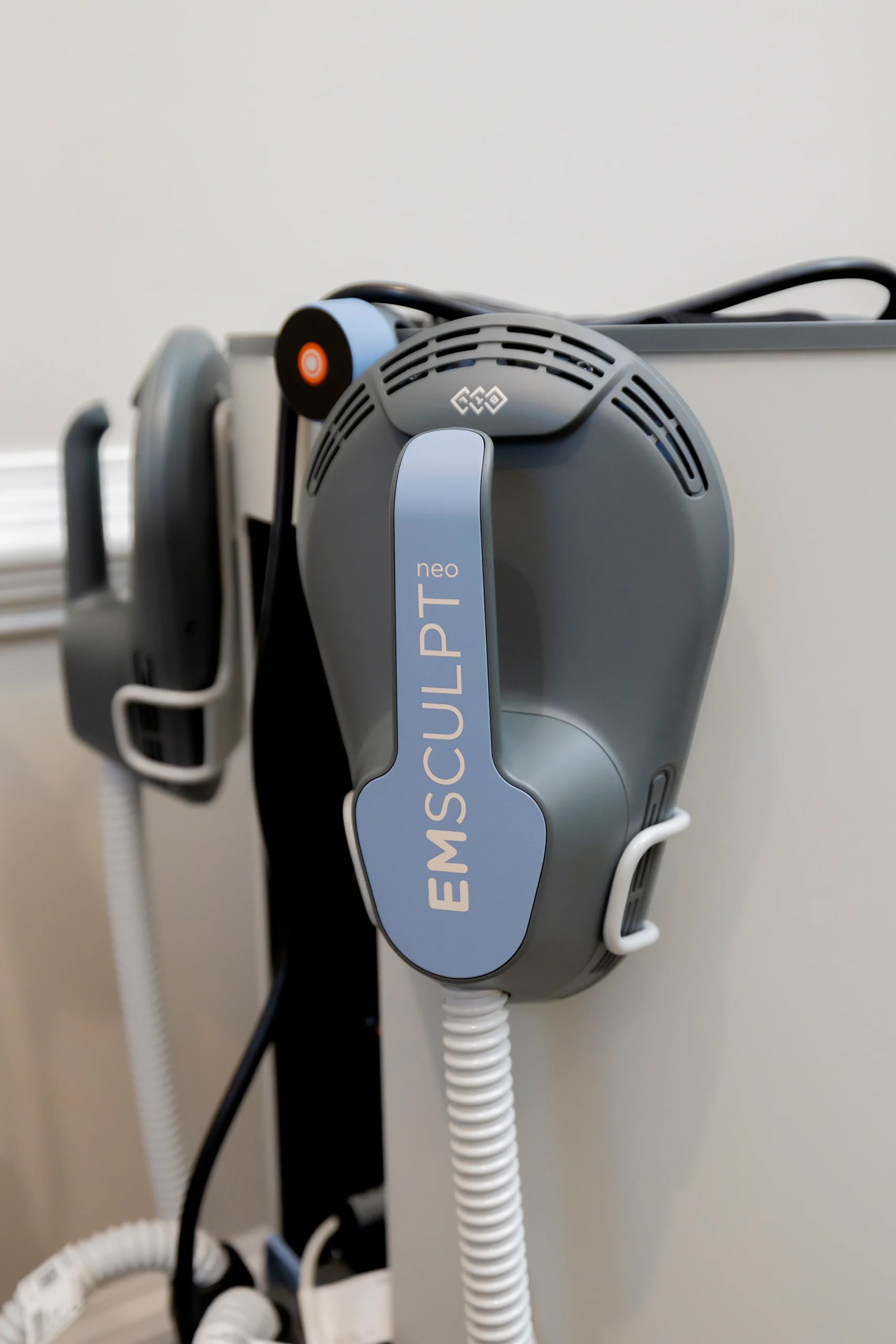
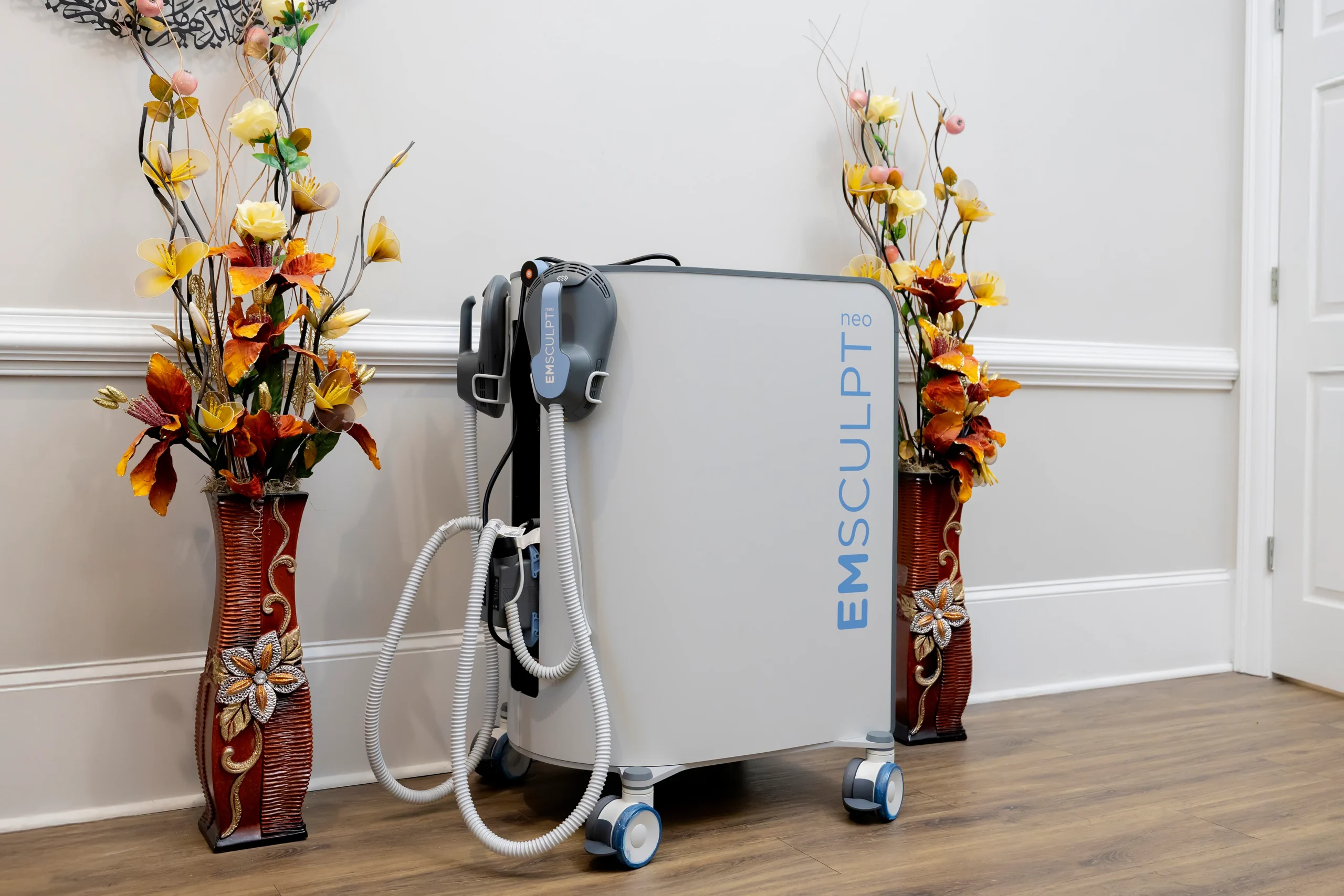
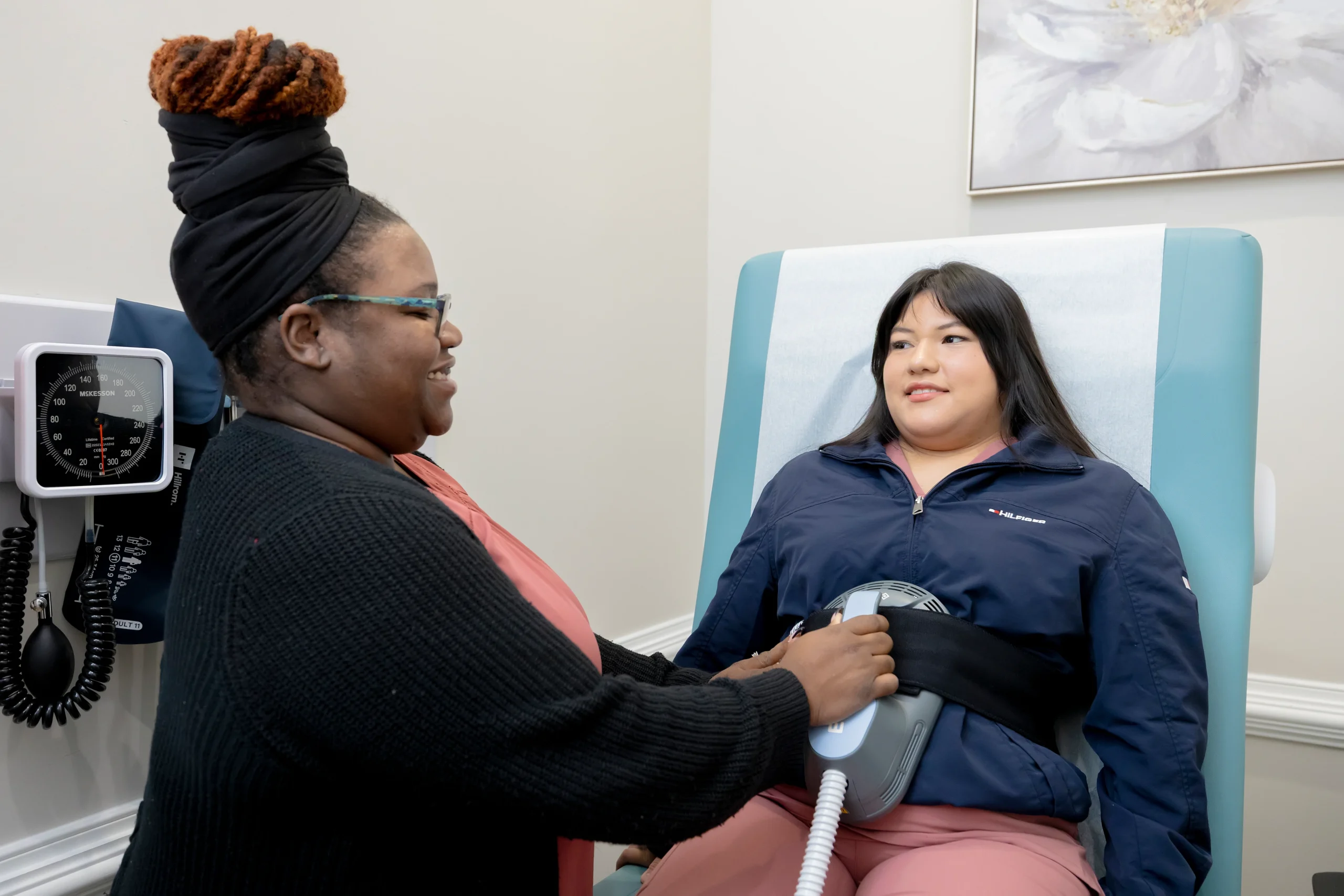
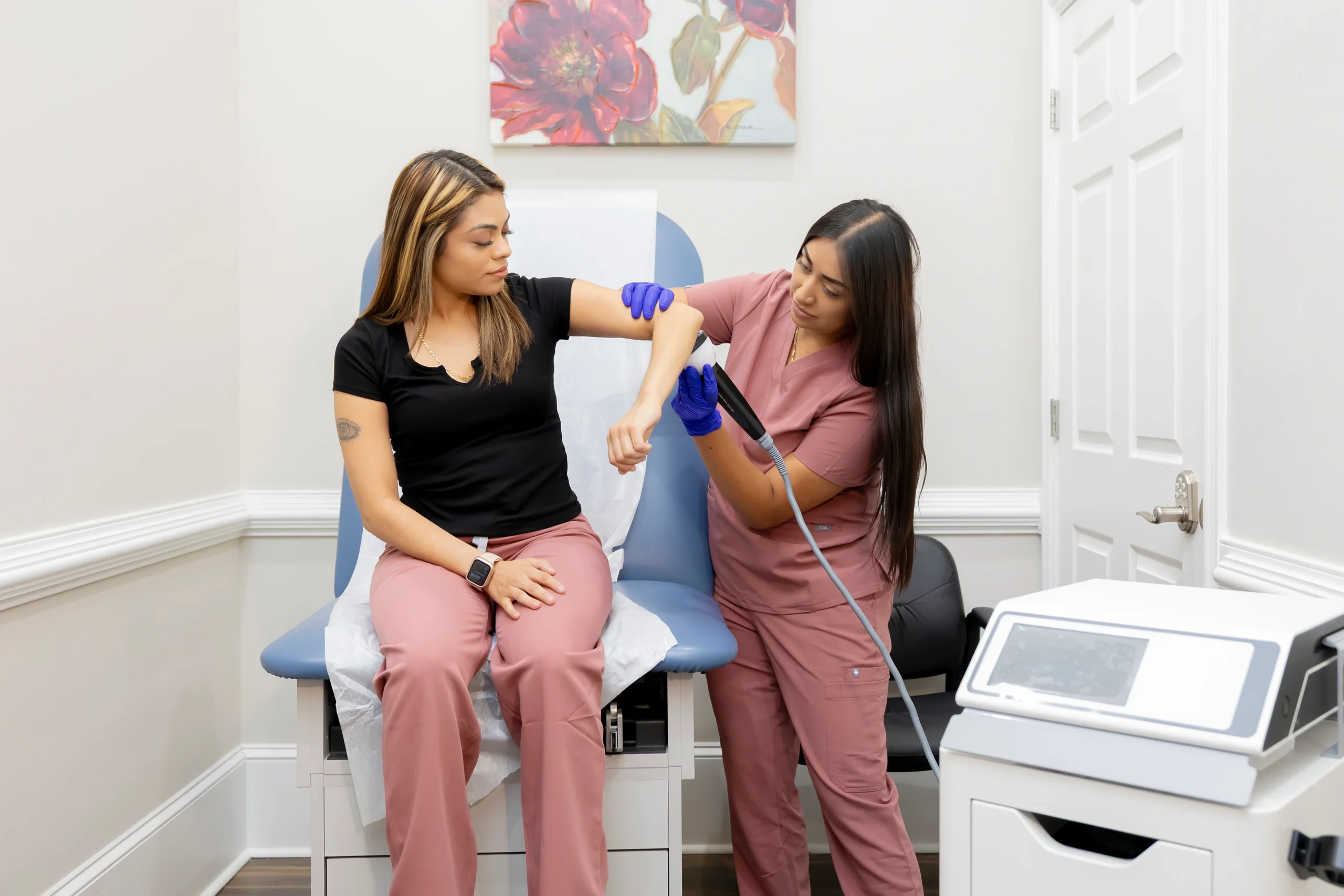
During a session, a small handheld device is moved along the skin over the affected area. The device sends high-energy acoustic waves into the tissue beneath, traveling at speeds exceeding 3,500 miles per hour and reaching depths of up to 12 centimeters. That kind of depth matters a lot, because many chronic pain conditions live in deep tissue layers that surface treatments simply cannot reach.
What happens inside the tissue during treatment is quite remarkable. The acoustic waves create a healing environment at the cellular level in several ways:
Each session runs about 5 to 15 minutes. There is no anesthesia, no needles, and no recovery period. Most patients walk out and go right back to their normal activities the same day.
Before getting into how StemWave compares, it is worth being honest about the limitations of the conventional options most people cycle through first.
NSAIDs like ibuprofen and naproxen work by blocking pain signals in the body. They can take the edge off in the short term, but they do not touch the underlying tissue damage causing the pain. Long-term use brings its own complications, including gastrointestinal irritation, kidney stress, and with prescription opioids, real dependence risk.
Corticosteroid injections can calm inflammation for a few weeks to a few months. The problem is they are not fixing anything structurally. Repeated injections over time can actually weaken tendons and wear down cartilage. They also involve needles and carry minor procedural risks.
Physical therapy is genuinely valuable, especially for rebuilding strength and relearning movement patterns. But for patients with deep tissue damage, calcified tendons, or chronic joint degeneration, PT can plateau well before full relief is achieved. Plenty of people do months of consistent work and still live with significant pain because the root tissue pathology never gets resolved.
Surgery can correct structural problems that nothing else will fix. But it comes with general anesthesia, operative risk, a recovery timeline that often stretches into months, and significant cost. Most providers treat it as a last resort after conservative options have been exhausted.
The differences are meaningful, and they go beyond just comfort level during treatment.
It targets the source, not the symptom. Pain medications suppress the signal your body sends. StemWave works on the tissue damage generating that signal in the first place. That distinction matters enormously for long-term outcomes.
Nothing enters your body. No injections, no drugs, no incisions. The entire treatment is delivered externally through sound waves applied to the skin.
No recovery time is needed. A session takes 5 to 15 minutes. You walk in, receive treatment, and carry on with your day.
Results hold up over time. Because StemWave drives actual tissue remodeling rather than symptom suppression, the improvements typically last 12 to 24 months or longer. That is a very different durability profile compared to injections or medications that wear off in weeks.
The clinical evidence is solid. Research published in the journal Pain Medicine found significant improvements in both pain levels and mobility in chronic low back pain patients treated with focused acoustic wave therapy. Across musculoskeletal conditions broadly, published success rates range from 65 percent to over 90 percent.
StemWave is effective across a wide range of chronic and acute musculoskeletal problems. The conditions we see respond particularly well include:
It tends to produce the strongest outcomes for patients who have already tried the conventional route and not gotten the lasting relief they were looking for.
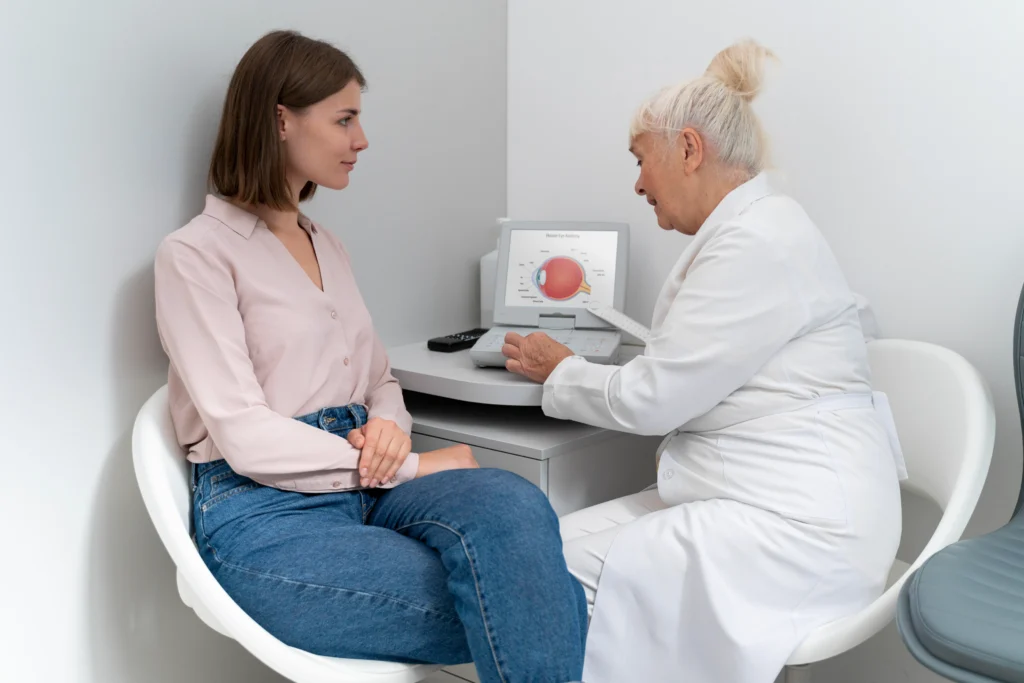
We start with a clinical evaluation before any treatment begins. Our team reviews your symptoms, medical history, any imaging you may already have, and prior treatments to confirm that StemWave is genuinely the right fit for your situation. We are not going to recommend a treatment that is not appropriate for you.
Once treatment starts, here is what a typical timeline looks like:
Because Zam Zam Family Clinic is a full primary care practice, your StemWave treatment can be coordinated alongside management of any underlying conditions that may be contributing to your pain, whether that is high blood pressure, diabetes, or an inflammatory disease.
StemWave therapy is currently a self-pay service at our clinic. A complete treatment course typically costs considerably less than the out-of-pocket expenses associated with surgical procedures, including co-pays, facility fees, and time taken off work during recovery. Our team will walk you through pricing at your consultation so there are no surprises.
StemWave is worth a serious conversation if any of the following sounds familiar to you:
It is not appropriate for everyone. Patients who are pregnant, have active infections at the treatment site, have certain bleeding disorders, or have metal implants in the area being treated are generally not candidates. Your provider will review all of this with you at your initial consultation.
Mon - Fri: 8:00 am – 5:00 pm
Sat & Sun: Closed
Terms & Conditions | Privacy Policy | Sitemap